
The Lost Book of Remedies is helping Americans achieve curative self-sufficiency even in the darkest times by saving the lost remedies of our grandparents.
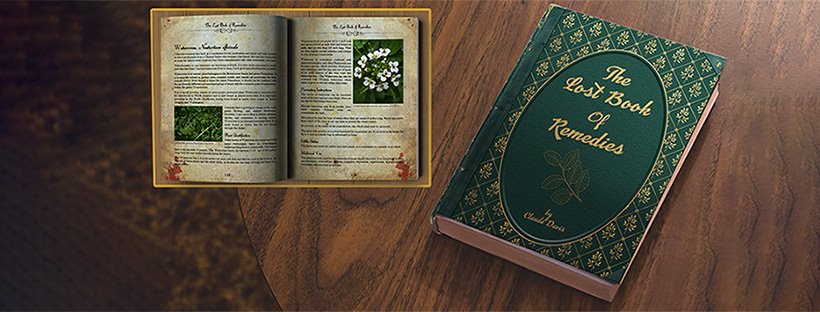
And here's just a glimpse of what you'll find in it:
For every healing plant in my grandfather's Lost Book of Remedies, you'll find several pictures that will help you identify it. You'll also discover the little things you need to look for in order to be 100% sure you've got the right plant and not a lookalike.
This part goes extremely in depth so that people with no plant knowledge can use it to its full potential. I gathered medicinal plants for my grandpa when I was just 12. If I did it back then, I'm sure you can do it now too.
With hundreds of healing plants, I knew I had to find a way for people to quickly pinpoint the one they need. So first I grouped them by type and location.
If you're at home, just open the "Backyard Weeds" chapter to find out what "medicines" you're growing around your yard without even realizing it.
In addition to the clear directions for the three remedies I've already shown you, you'll also find out about hundreds of other powerful medicines.Do you know what happens when you pour salt onto a cabbage and cover it with water?
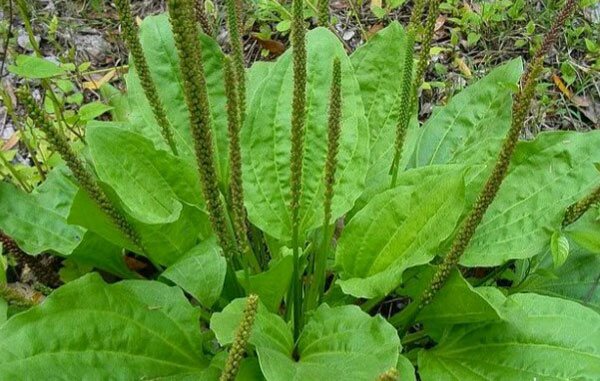
Even if you're living in the city, it's kind of hard not to bump into it. What you probably don't know is that it's a powerful anti-inflammatory that helps wounds heal a LOT faster.
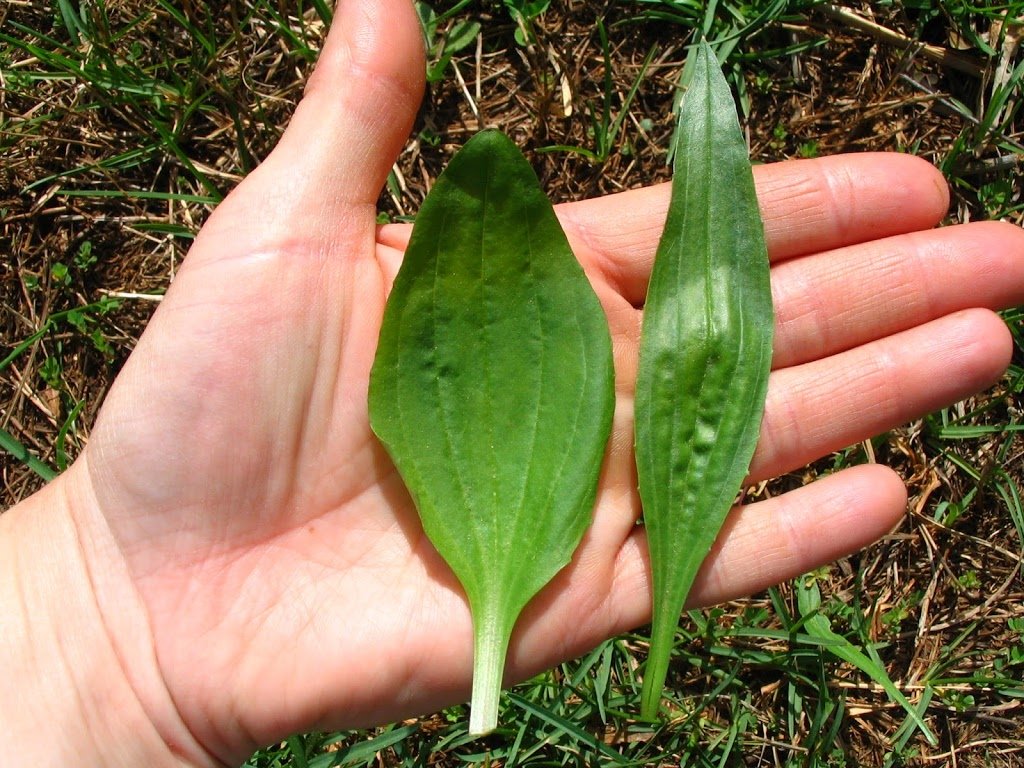
The best way to deal with this annoying weed?
Eat it!
Native Americans used it as a sweetener 200 years ago, and it tastes better than all the greens I know.
What people don't know is that this plant is a strong diuretic that you can also take for poor blood circulation. If you've ever felt a tingling and numbness sensation in a limb in certain positions, you probably have bad circulation. I've seen my grandfather's patients go from dizzy and tired most of the time to having an excess of energy in less than three weeks.


 Bet All Kind Of News About All Topics, Games, Tips, how to play.
No comments